
Understanding the Benefits of Sound Therapy for Stress Relief
- Arden Wilken
- Aug 13, 2025
- 4 min read

Stress is a common challenge in modern life, affecting both mental and physical health. Many people seek natural and effective ways to manage stress without relying solely on medication. One such method gaining popularity is sound therapy. This approach uses sound frequencies and vibrations to promote healing and calm the mind. In this article, we will explore the benefits of sound therapy for stress relief, how it works, and practical ways to incorporate it into your daily routine.
What Is Sound Therapy and How Does It Work?
Sound therapy is a holistic practice that uses specific sounds, music, or vibrations to improve health and well-being. It is based on the idea that sound waves can influence brainwaves and body functions. When exposed to certain frequencies, the brain can shift into a more relaxed state, reducing stress and anxiety.
There are various forms of sound therapy, including:
Tuning forks: Metal instruments that produce precise frequencies when struck.
Singing bowls: Bowls made of metal or crystal that create resonant sounds.
Binaural beats: Audio tracks that use two slightly different frequencies in each ear to alter brainwave patterns.
Nature sounds: Recordings of rain, ocean waves, or birdsong that promote calmness.
The vibrations from these sounds can help balance the nervous system, lower heart rate, and reduce cortisol levels, which are often elevated during stress. This makes sound therapy a powerful tool for managing stress naturally.

The Science Behind Sound Therapy and Stress Relief
Research has shown that sound therapy can positively affect the brain and body. When listening to soothing sounds, the brain produces more alpha and theta waves, which are associated with deep relaxation and meditation. This shift helps reduce feelings of anxiety and promotes a sense of peace.
Several studies have demonstrated the benefits of sound therapy:
A 2016 study found that patients exposed to sound therapy before surgery experienced less anxiety and required fewer pain medications afterward.
Research on binaural beats suggests they can improve mood and reduce stress by synchronizing brainwaves.
Sound therapy has been used to help people with PTSD, depression, and insomnia by calming the nervous system.
These findings highlight how sound therapy can be an effective complementary approach to traditional stress management techniques.
How do you explain relaxation?
Relaxation is a state where the body and mind are free from tension and stress. It involves slowing down the heart rate, lowering blood pressure, and calming the nervous system. Achieving relaxation can improve overall health, boost mood, and increase resilience to stress.
Sound therapy facilitates relaxation by guiding the brain into a calm state through specific sound frequencies. When the brainwaves slow down, the body responds by releasing feel-good hormones like serotonin and dopamine. This process helps reduce muscle tension and quiet the mind.
For example, listening to the gentle hum of a singing bowl or the rhythmic beats of nature sounds can create a peaceful environment that encourages relaxation. This state is essential for recovery from daily stress and maintaining mental clarity.
If you want to explore more about achieving deep relaxation, you can visit this resource for guided sound therapy sessions.

Practical Ways to Use Sound Therapy for Stress Relief
Incorporating sound therapy into your daily routine can be simple and effective. Here are some practical tips to get started:
Create a dedicated space: Find a quiet area where you can sit or lie down comfortably without distractions.
Choose your sound source: Use singing bowls, tuning forks, or sound therapy apps that offer binaural beats or nature sounds.
Set a time: Dedicate 10-20 minutes daily to listen to calming sounds, preferably in the morning or before bedtime.
Combine with breathing exercises: Deep breathing enhances the effects of sound therapy by further relaxing the body.
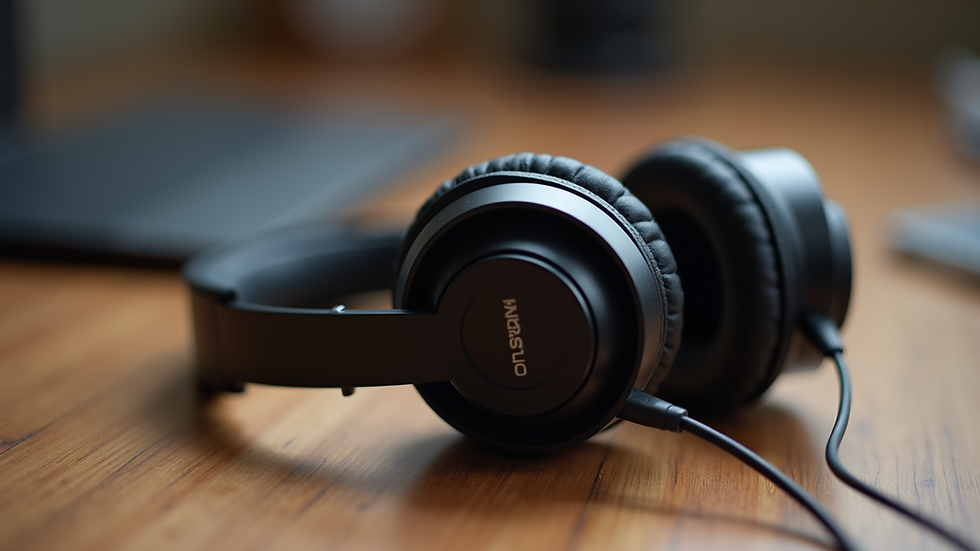
Use headphones: For binaural beats, headphones are essential to experience the full effect of the frequencies.
Be consistent: Regular practice helps train your brain to enter a relaxed state more easily over time.
By following these steps, you can make sound therapy a natural part of your stress management toolkit.
Additional Benefits of Sound Therapy Beyond Stress Relief
While stress relief is a primary benefit, sound therapy offers other advantages that contribute to overall well-being:
Improved sleep quality: Many people find that sound therapy helps them fall asleep faster and enjoy deeper rest.
Enhanced focus and concentration: Certain sound frequencies can stimulate brain activity, improving mental clarity.
Pain reduction: Sound vibrations can help reduce chronic pain by promoting relaxation and releasing endorphins.
Emotional balance: Sound therapy can help regulate mood swings and reduce symptoms of depression and anxiety.
Boosted immune function: Relaxation induced by sound therapy supports the immune system by lowering stress hormones.
These benefits make sound therapy a versatile and accessible option for improving health naturally.
Exploring Sound Therapy Options and Resources
If you are interested in trying sound therapy, there are many resources available:
Professional sessions: Many wellness centers offer sound baths or guided sound therapy sessions.
Online platforms: Websites and apps provide a wide range of sound therapy tracks for different needs.
DIY tools: Singing bowls, tuning forks, chimes and INNER SOUND Therapeutic Music can be purchased for home use.
Workshops and classes: Learning how to use sound therapy tools effectively can enhance your experience.
Before starting, it’s helpful to research and experiment with different sounds to find what resonates best with you. Remember, the goal is to create a calming environment that supports your mental and physical health.
Sound therapy is a natural, effective way to manage stress and promote well-being. By understanding how it works and incorporating it into your routine, you can experience the calming benefits of sound and improve your quality of life. Whether through professional sessions or simple home practices, sound therapy offers a path to greater peace and balance.


Comments